Backpacker Font: A Handwritten Typeface for Polished Branding
There I was, hunched over my laptop in the cozy corner of my home office, finalizing a new line of product labels for a client who runs a small artisanal candle company. The scent of beeswax and lavender still lingered in the air as I reviewed their branding strategy. They had everything down to a science—hand-blended fragrances, natural ingredients, and a warm, inviting color palette—but one detail kept nagging at me: their typography. It was time to revisit their font choices, and that’s when I discovered Backpacker, a delicate handwritten typeface from Script Amp that brought an elegant flow to their brand visuals.
What Is Backpacker?
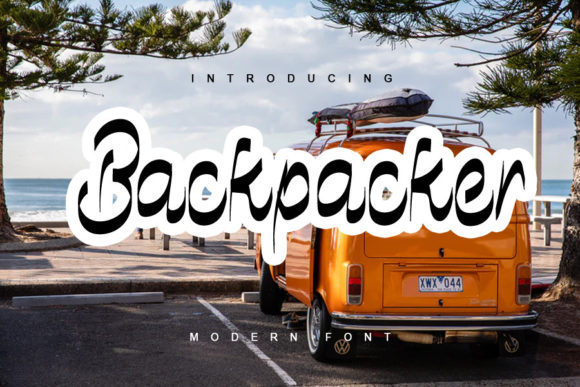
Backpacker is a flowing, cursive-style script font with a soft and graceful character. Its elegance lies in its balance between structure and spontaneity. Each letter feels like it was carefully penned by hand, yet it maintains enough consistency to be used across professional design projects. Unlike overly ornate or difficult-to-read scripts, Backpacker has a clean, harmonious rhythm that makes it versatile without sacrificing charm.
As a creative consultant, I often find myself sifting through dozens of fonts before settling on one that aligns with a brand’s personality. With Backpacker, the decision felt almost instinctive. It wasn’t just about aesthetics—it was about how the font could communicate warmth, craftsmanship, and authenticity. These are qualities many small businesses want to reflect, especially those selling handmade or experience-based products.
A Real-World Test: Candle Labels and Beyond
I tested Backpacker on several design elements for this candle business, including packaging labels, social media graphics, and even promotional flyers. On printed labels, it added a touch of sophistication without overwhelming the eye. The gentle curves and open apertures made it easy to read at a glance while maintaining that personal, artisanal feel.
For social media templates, using Backpacker in short phrases like “Handmade with Love” or “Natural Fragrance” helped create a cohesive visual identity. It worked especially well paired with minimalist sans serif fonts for contrast, allowing the script to shine where it mattered most—headlines and taglines.
The Right Balance Between Style and Legibility
One of the biggest challenges with decorative fonts is ensuring they remain legible across different mediums. Backpacker strikes a great balance here. While it’s not suited for long paragraphs of body text (its script style makes it more of a display font), it excels in headlines, logos, and short bursts of text. This makes it perfect for use in:
- Logo design for lifestyle or wellness brands
- Product labels and packaging titles
- Thank-you cards and personalized notes
- Creative headers on websites and banners
- Social media posts and Instagram stories
- Flyers and event invitations
When I applied it to a candle label mockup, it instantly elevated the overall look. The font didn’t scream luxury, but it whispered quality and attention to detail—something every small business wants to convey.
Why Typography Matters in Branding
Typography isn’t just about picking a pretty font. It’s a core component of your brand identity. First impressions matter, and studies show that people form opinions about brands within milliseconds—often based on visual cues like color and font choice.
Using a consistent and well-chosen typeface like Backpacker helps build trust and recognition. When customers see the same font across your website, packaging, and social media, they begin to associate it with your brand. That familiarity can increase recall and reinforce your message subtly but powerfully.
Readability is also key. For instance, if you're printing thank-you cards or designing a café menu, the font needs to be clear enough to read quickly. Backpacker handles this well in larger sizes, especially when used for short lines of text or headings. Just avoid using it for dense paragraphs or tiny print, where clarity might suffer.
Font Pairing Ideas for Backpacker
To make the most of Backpacker, consider pairing it with a complementary font. Here are a few practical combinations:
- Backpacker + Clean Sans Serif: Ideal for modern branding. Use Backpacker for headlines and a sleek sans serif for body copy. Think of a boutique using this combo for store tags and online shop descriptions.
- Backpacker + Elegant Serif: Great for a softer, more traditional look. A skincare brand might use this combination for product names and ingredient lists.
- Backpacker + Bold Display Font: Adds contrast and drama. Useful for digital ads or shop banners where the headline needs to pop.
Font pairing is a simple way to enhance your design assets without complicating your brand identity. Always test your pairings in real-world contexts—like on mobile screens or printed materials—to ensure they work well together.
Practical Uses Across Industries
Backpacker isn’t limited to candles or skincare. I’ve seen it adapt beautifully to other niches. For example, a local bakery used it on their cookie box designs and holiday card templates. The result? A warm, inviting aesthetic that matched their seasonal flavors and community-focused vibe.
In another project, a boutique owner used Backpacker for custom hangtags and window signage. The font gave their brand a friendly, approachable feel that resonated with their target audience—young professionals who appreciate curated fashion with a personal touch.
Even in digital formats, such as Instagram promotions or email headers, Backpacker maintained its appeal. It added a human element to otherwise sterile digital spaces, making the content feel more authentic and engaging.
Things to Consider Before Using Backpacker
Before jumping into any design project, it's important to check what styles and features come with the font. Backpacker includes multiple weights and alternates, which is helpful for customization. Ligatures and stylistic sets allow for subtle variations, so each label or logo can feel unique while staying on-brand.
Also, verify the file formats included—usually TTF and OTF are standard for both digital and print use. If you're planning to use it for commercial purposes, make sure you have the right licensing in place. Many premium fonts offer flexible options for small businesses and creators, so always review the terms carefully.
Lastly, don’t forget to consider multilingual support if your brand caters to international markets. While Backpacker may not cover every language, it’s worth checking to ensure it meets your needs.
Final Takeaways
After integrating Backpacker into several branding projects, I’m convinced it’s a valuable addition to any designer’s toolkit—or a small business owner’s brand assets. It brings a sense of artistry and intentionality to customer-facing materials, helping them stand out in a crowded market.
If you're looking to refresh your brand identity, consider how a font like Backpacker can influence your visual storytelling. Whether it's for a new product launch, seasonal rebranding, or simply improving your shop’s consistency, the right typeface can make all the difference.
Remember, the goal isn’t to chase trends, but to choose a font that reflects your brand’s values and enhances its professionalism. Backpacker does exactly that—elegantly, consistently, and memorably.